Shake
Shake the can well, then check the spray direction.
 Store
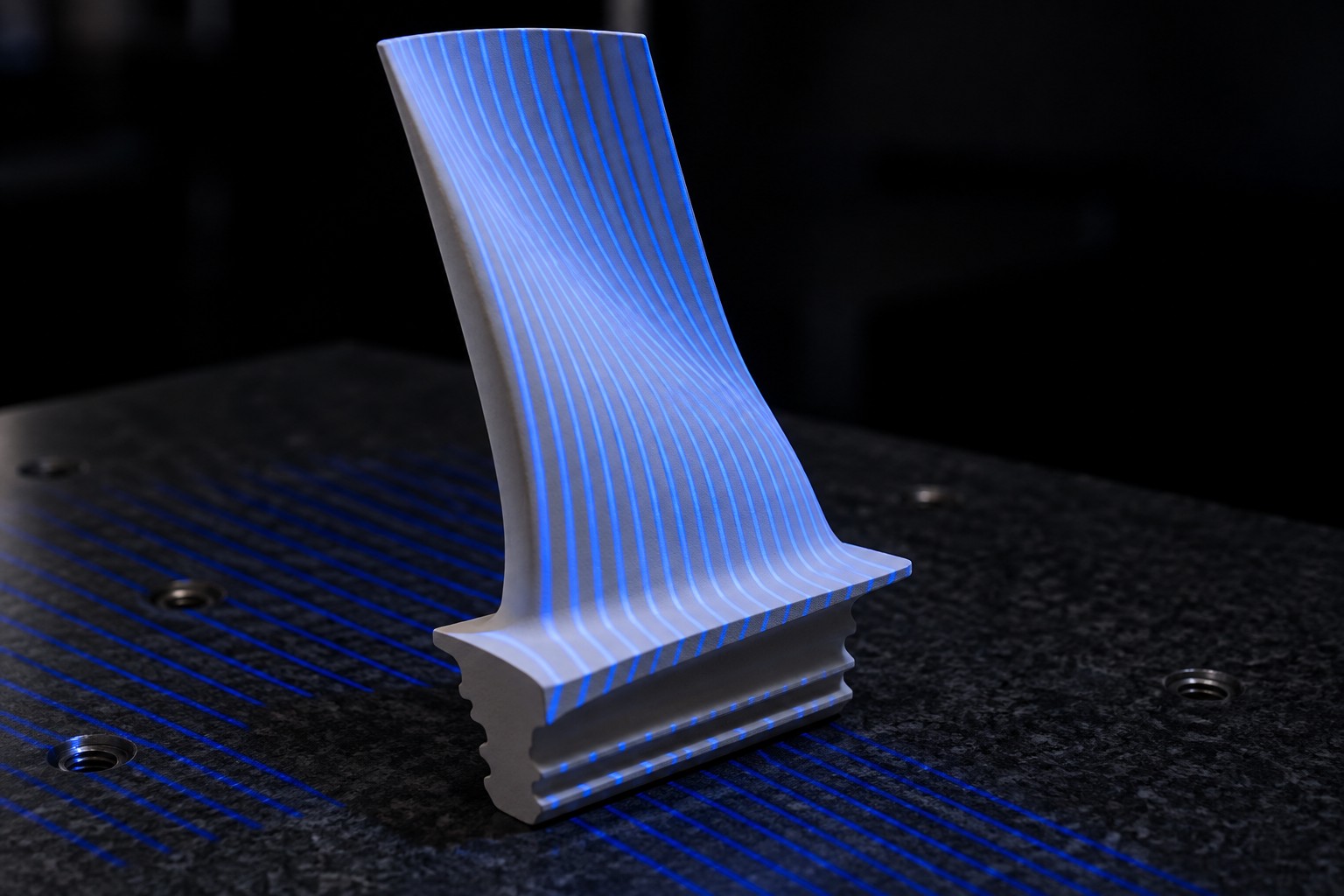
A structured-light 3D scanner projects a pattern onto the surface and reads it with cameras to measure the shape. The crisper the pattern lands, the faster and more accurate the scan. ATTBLIME creates exactly that surface.
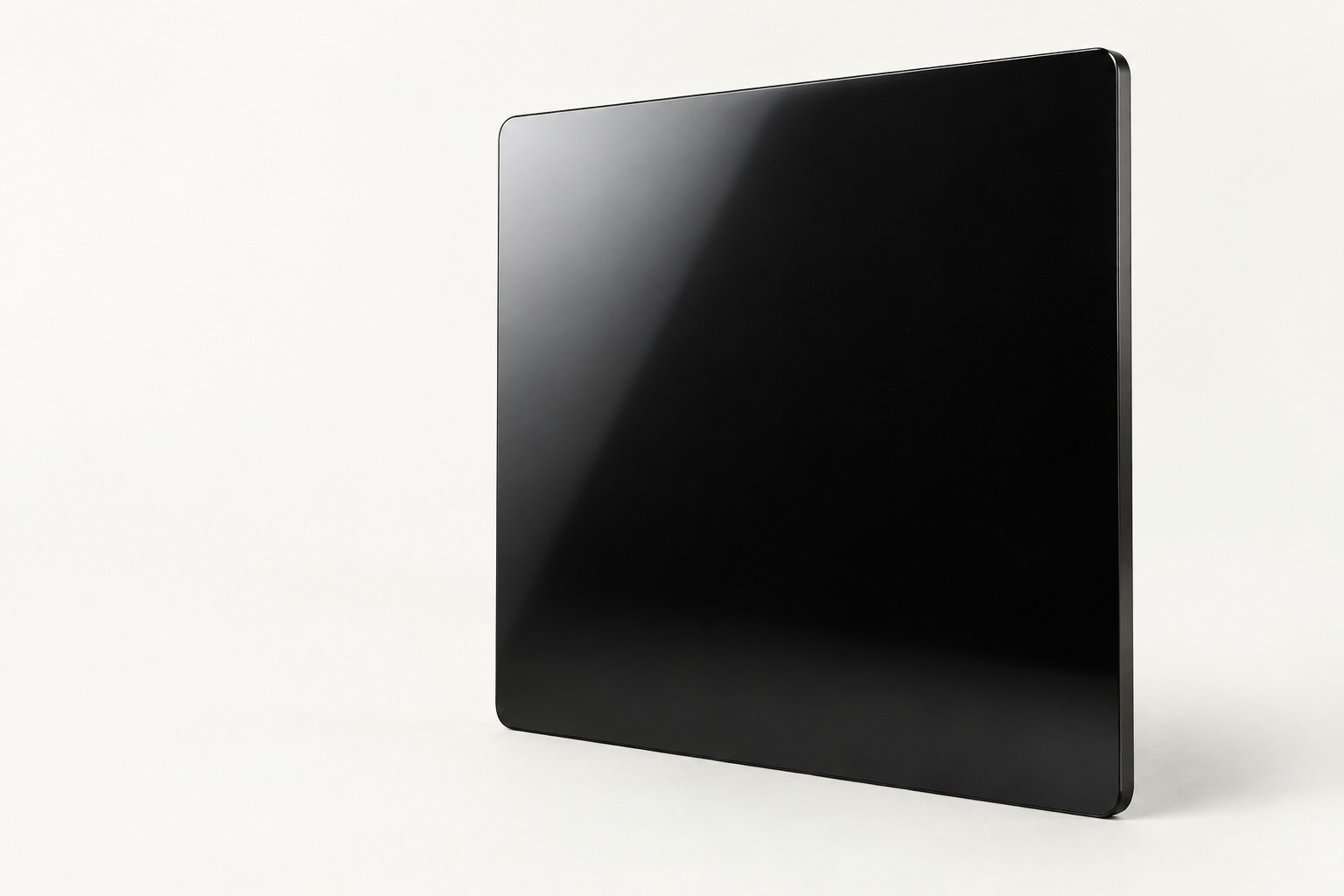
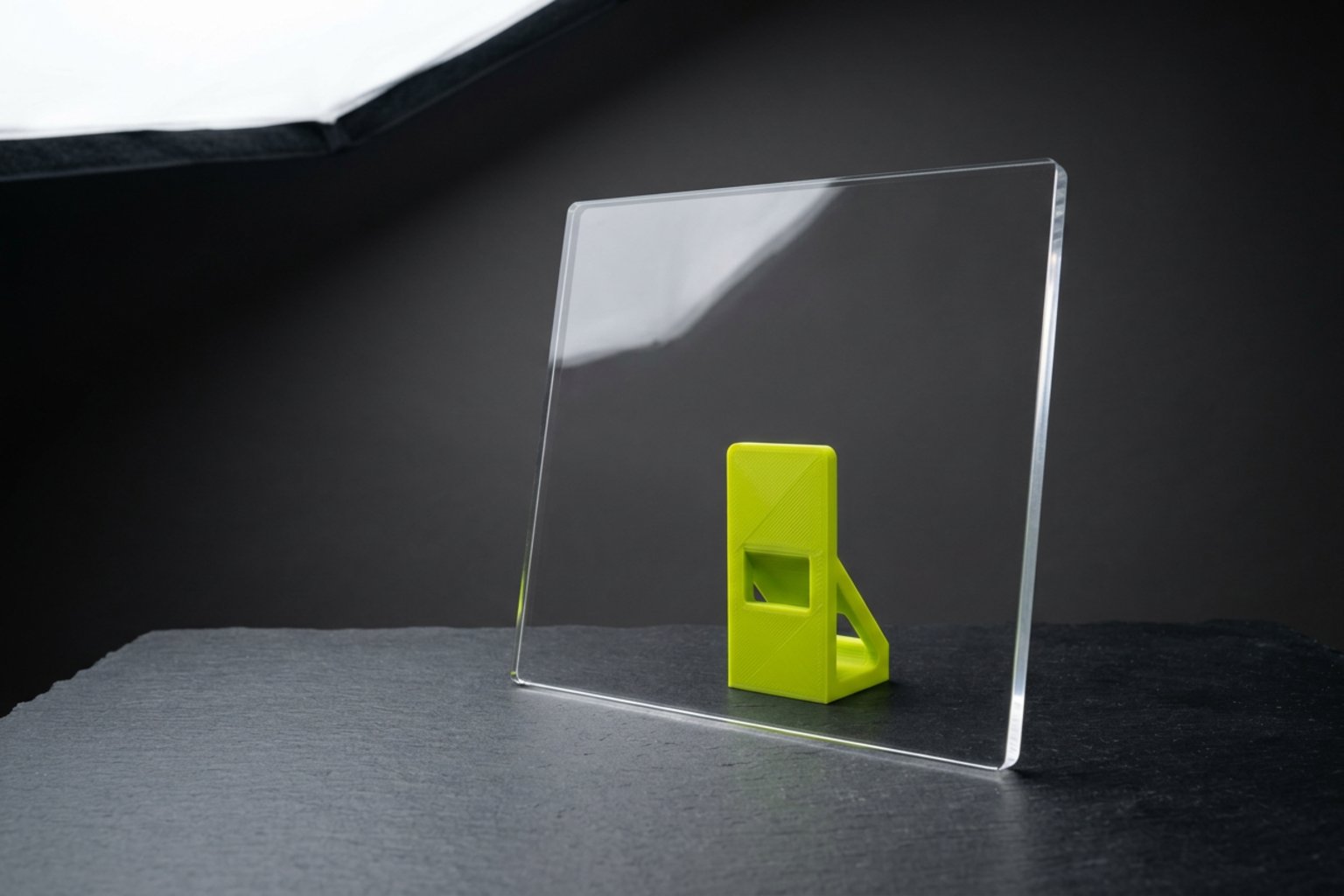
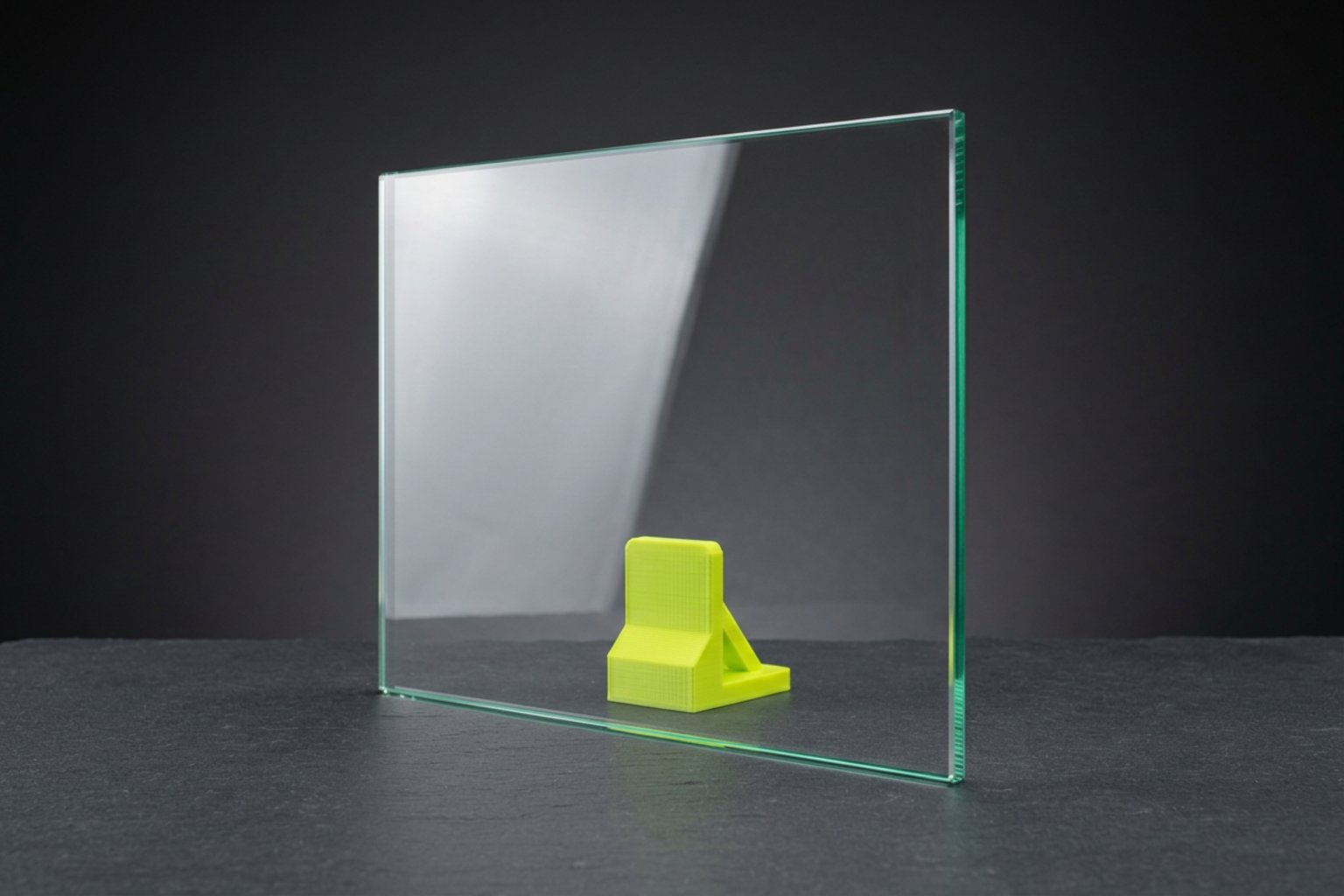
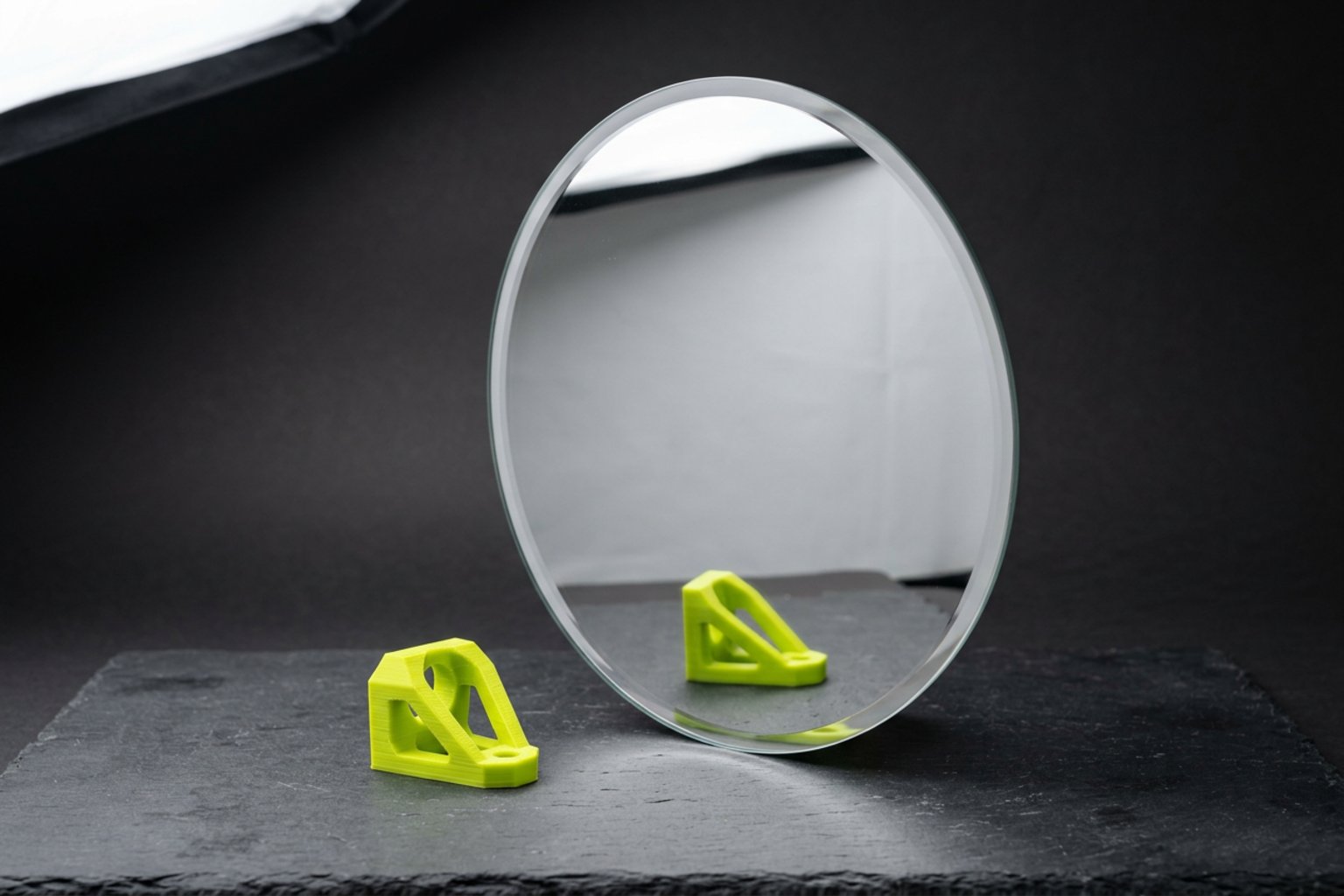
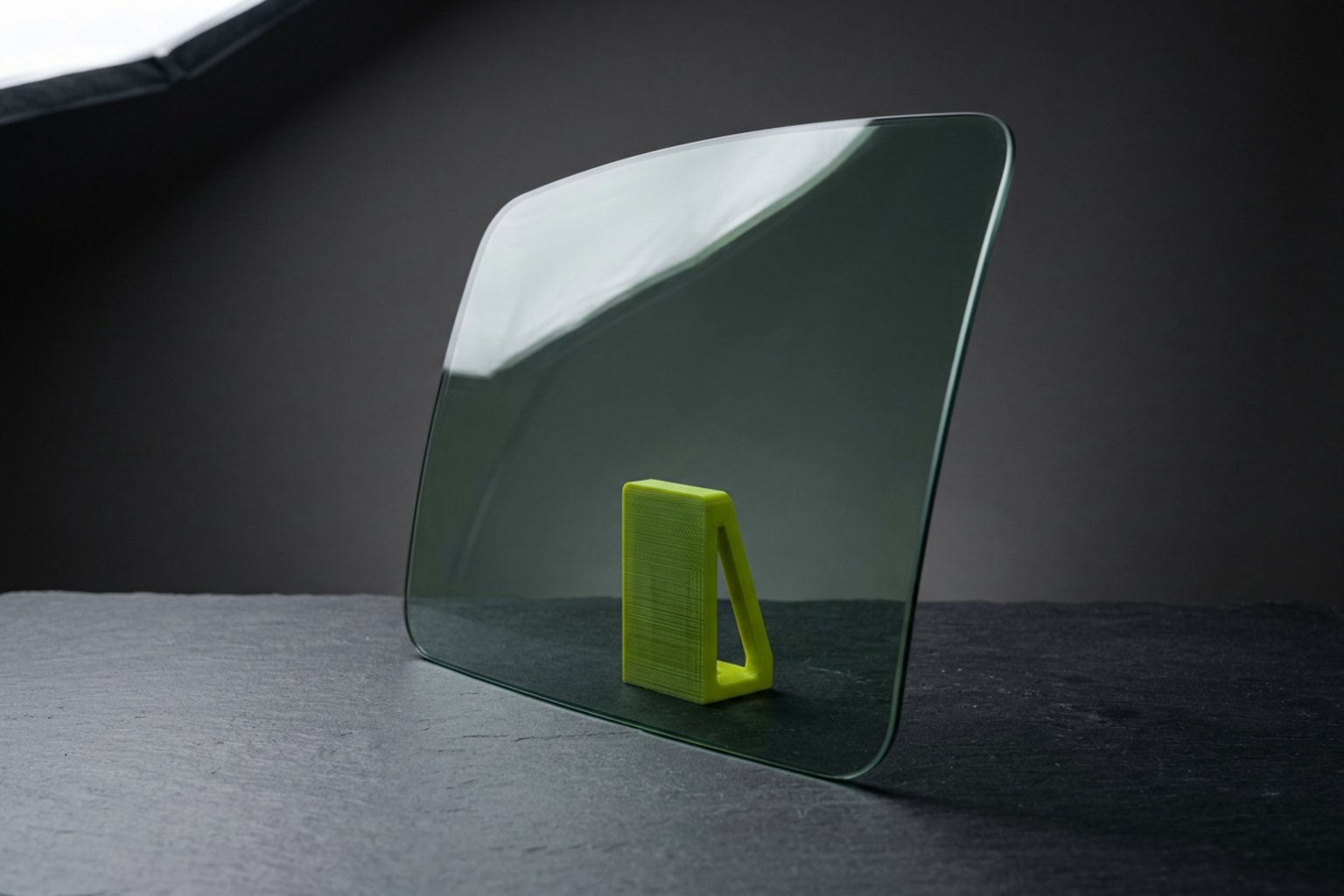
Glossy metal reflects light strongly, so the scan pattern blurs or parts of it vanish. Clear glass lets light pass through, making the pattern on the surface hard to read. Black surfaces absorb much of the light, so the pattern looks dark. ATTBLIME solves all three at once.
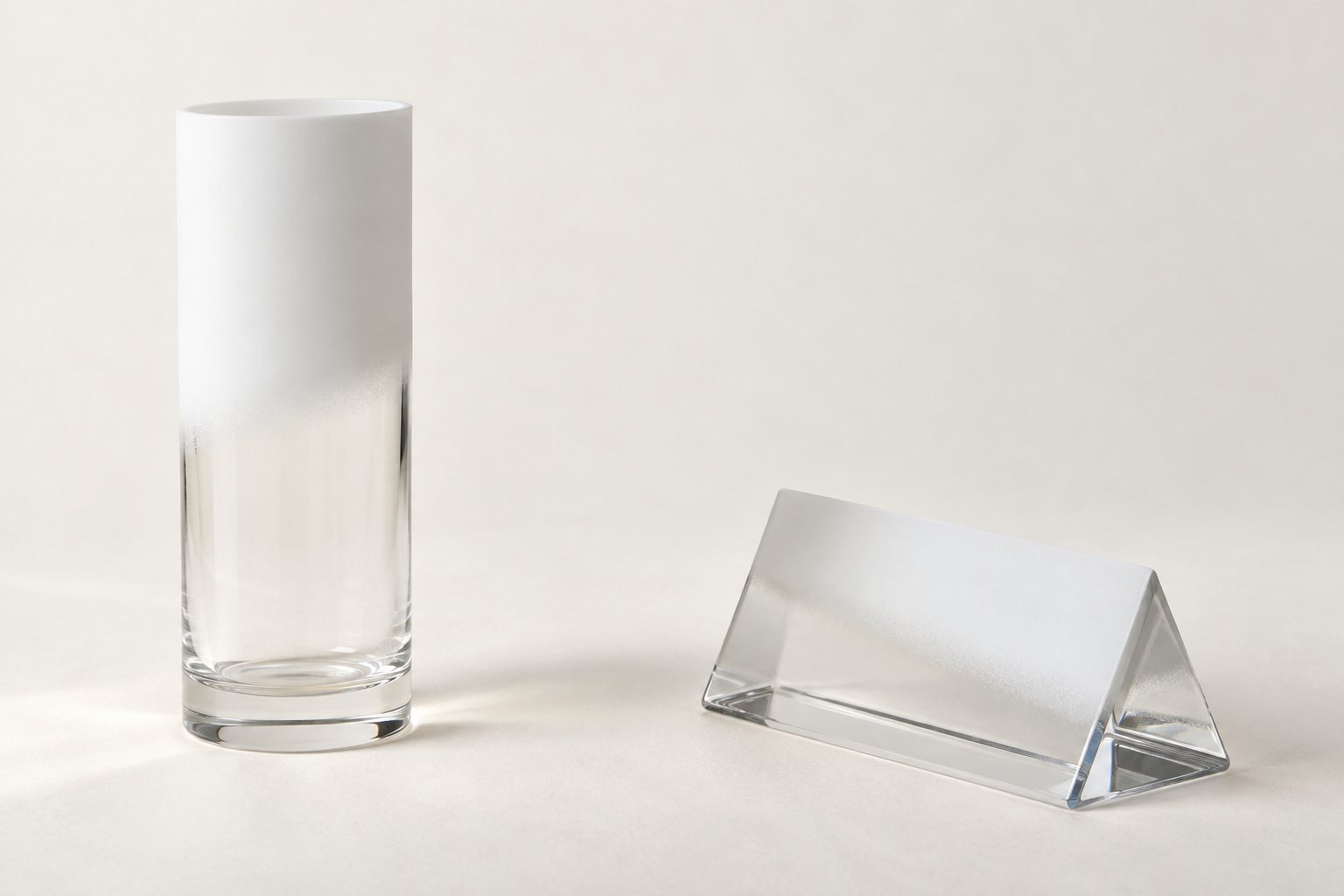
Light passes through transparent objects, so the scanner struggles to read the surface. ATTBLIME creates a thin matte film that makes the light reflect off the surface. The light pattern becomes sharp and the scanner reads the shape with ease.


Spray ATTBLIME and a thin, fine matte coating covers the surface. The pattern projected by the scanner lands crisply on this coating and is captured clearly by the cameras. Coating color and duration differ by product, so choose to suit your job.
Real footage of a see-through lamp being covered with a thin matte coating. This is how a surface the scanner can read is made.
Use it on metal, plastic, ceramic and many other materials. The trickier the surface to scan, such as black, glossy or transparent, the clearer the difference. On a new material, test a small area first to check that the surface is unaffected and the coating comes off cleanly.
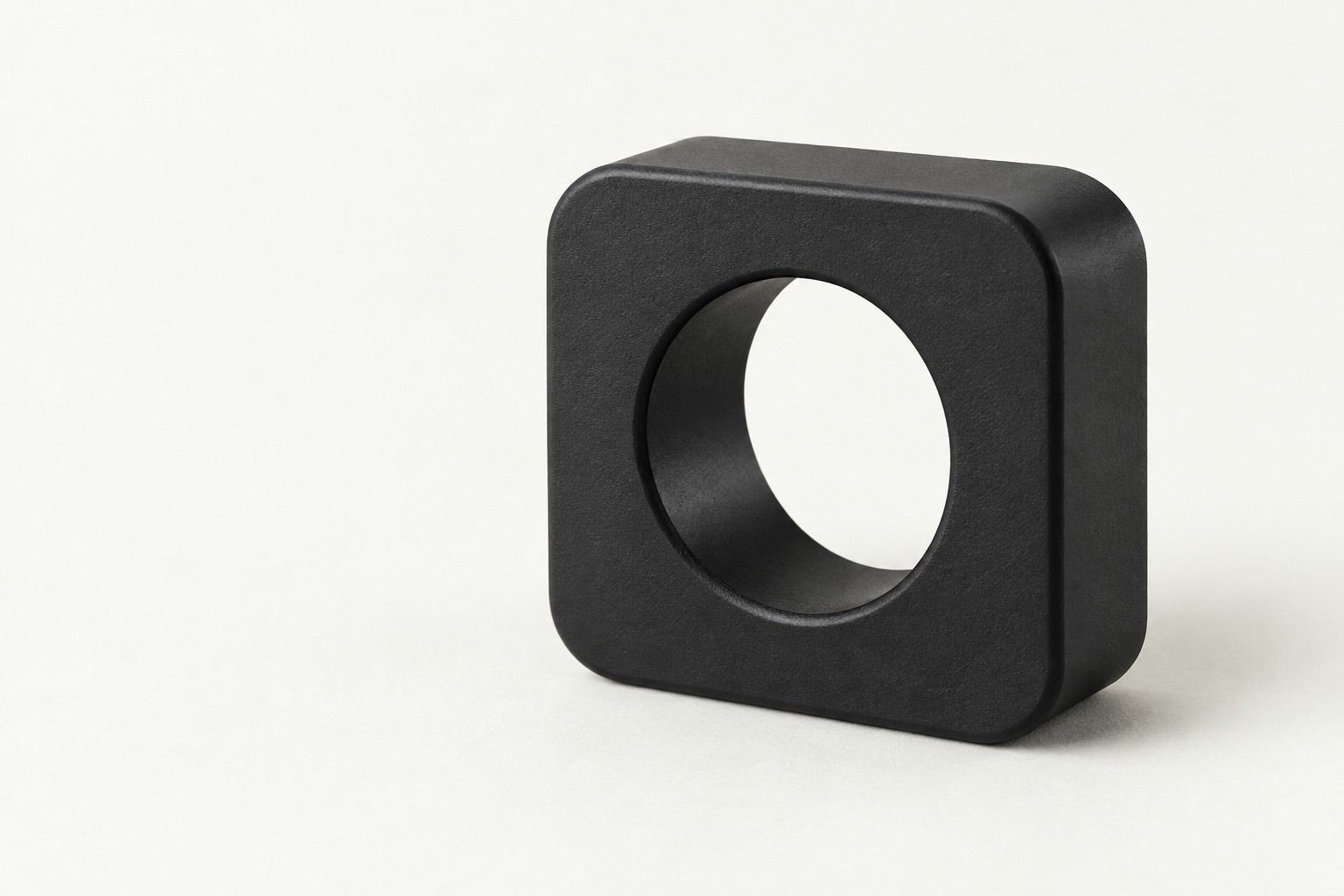
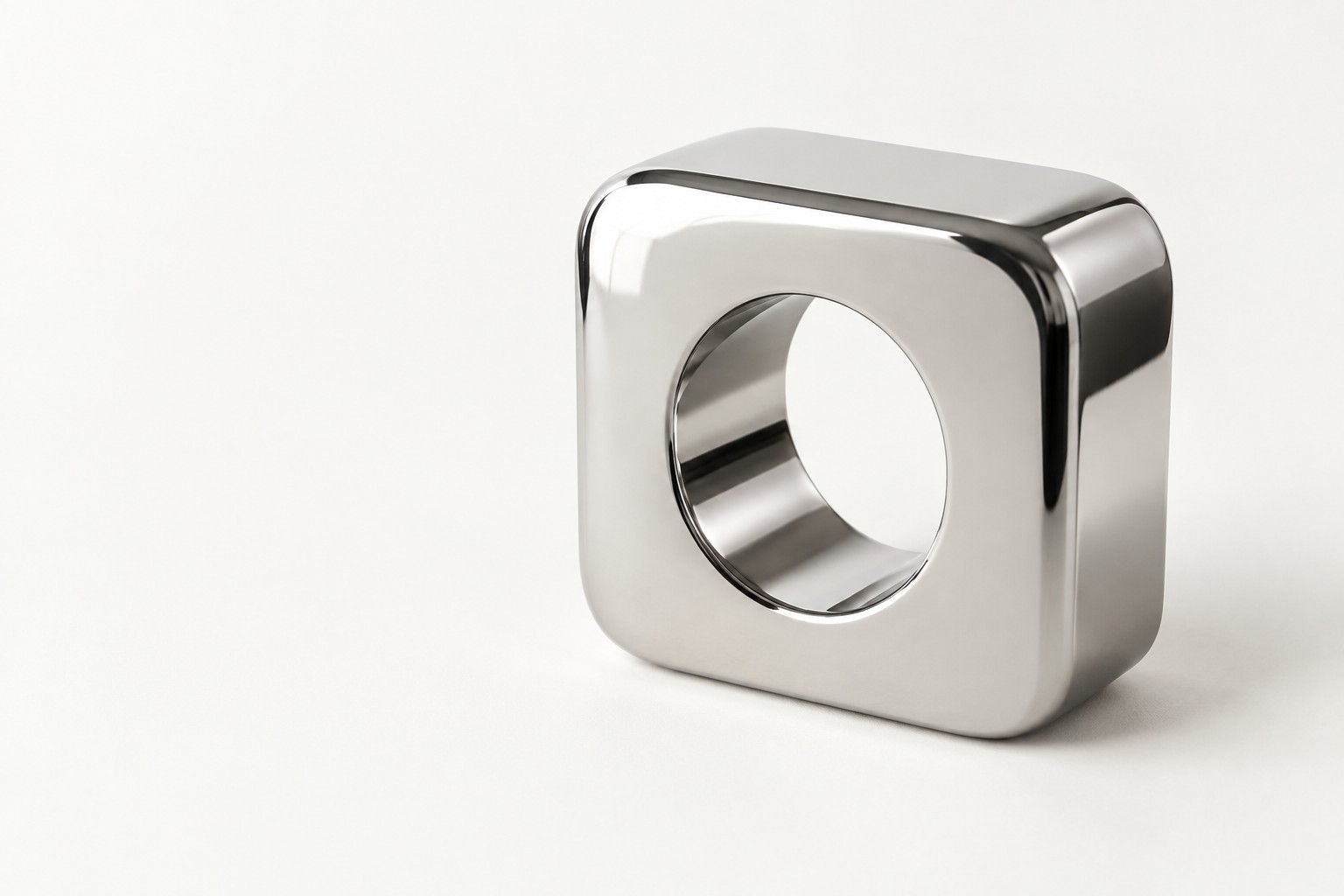
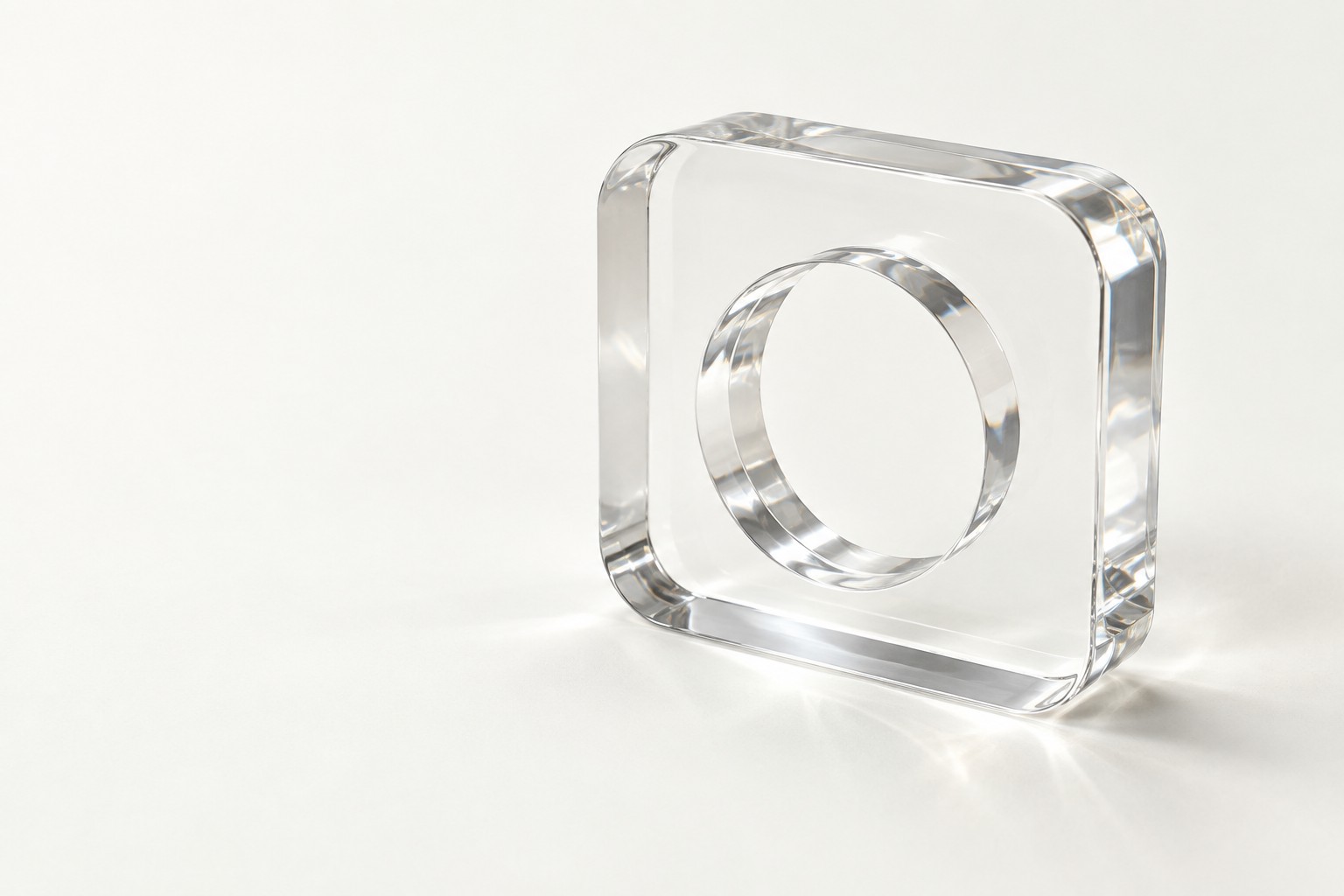
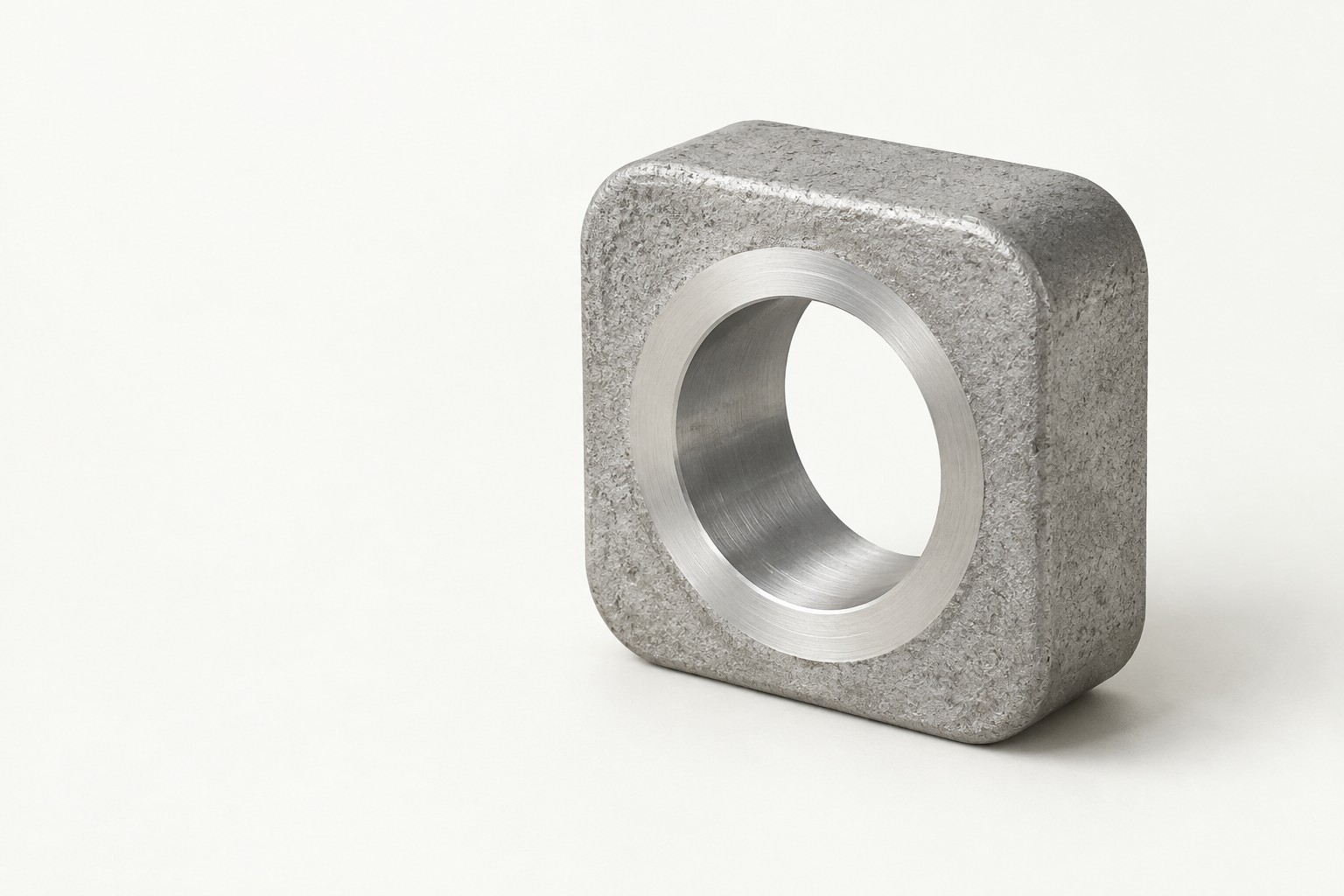
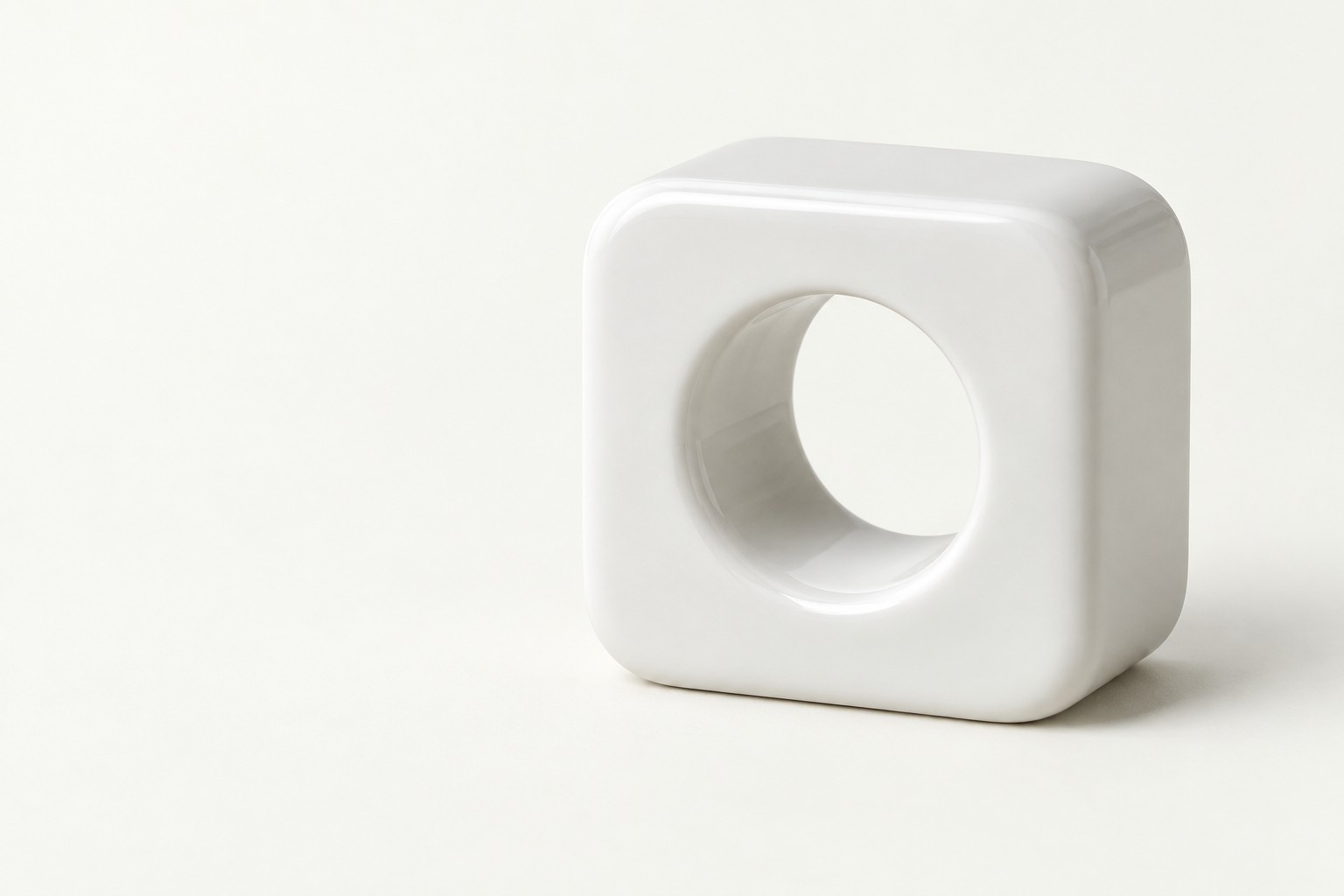
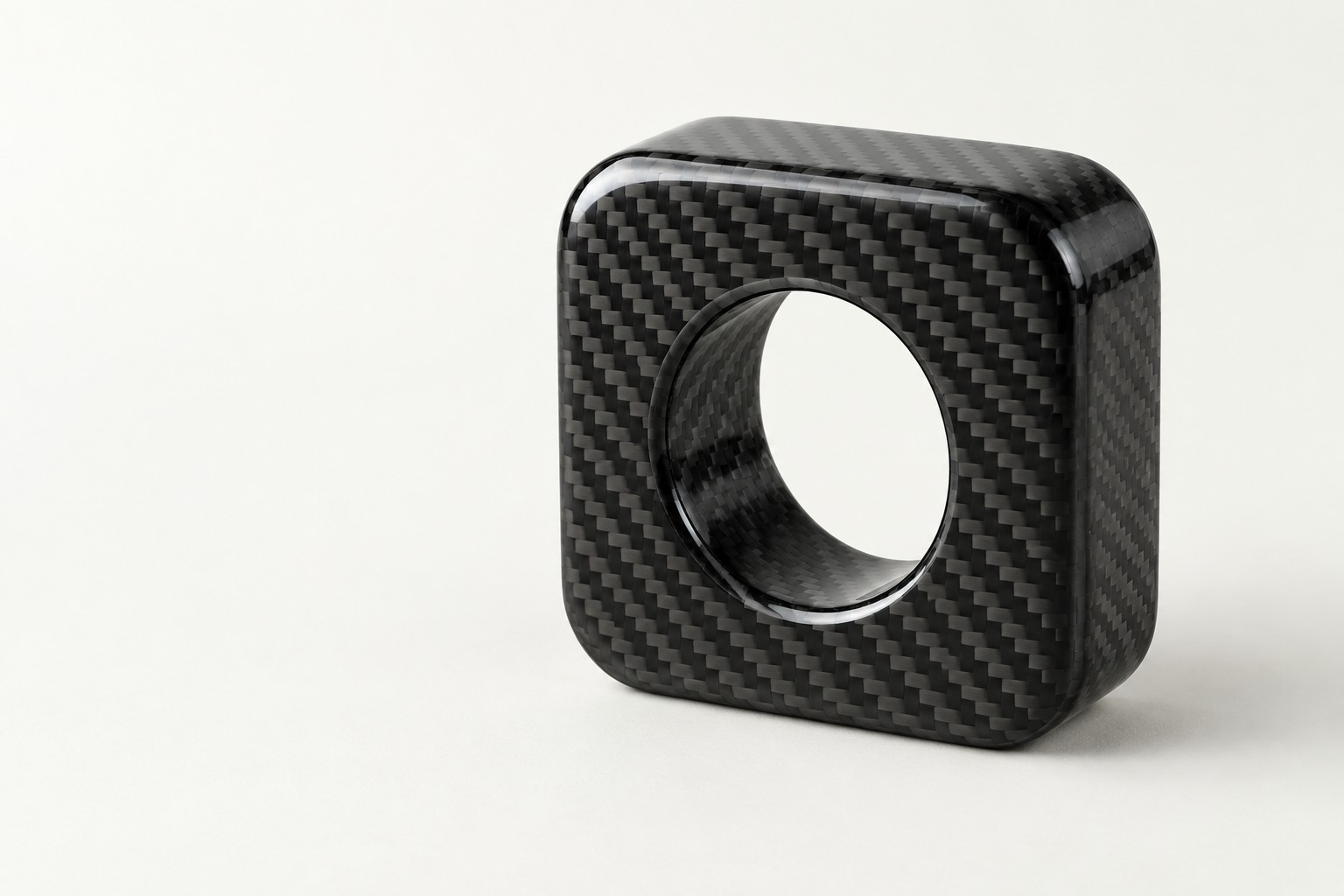
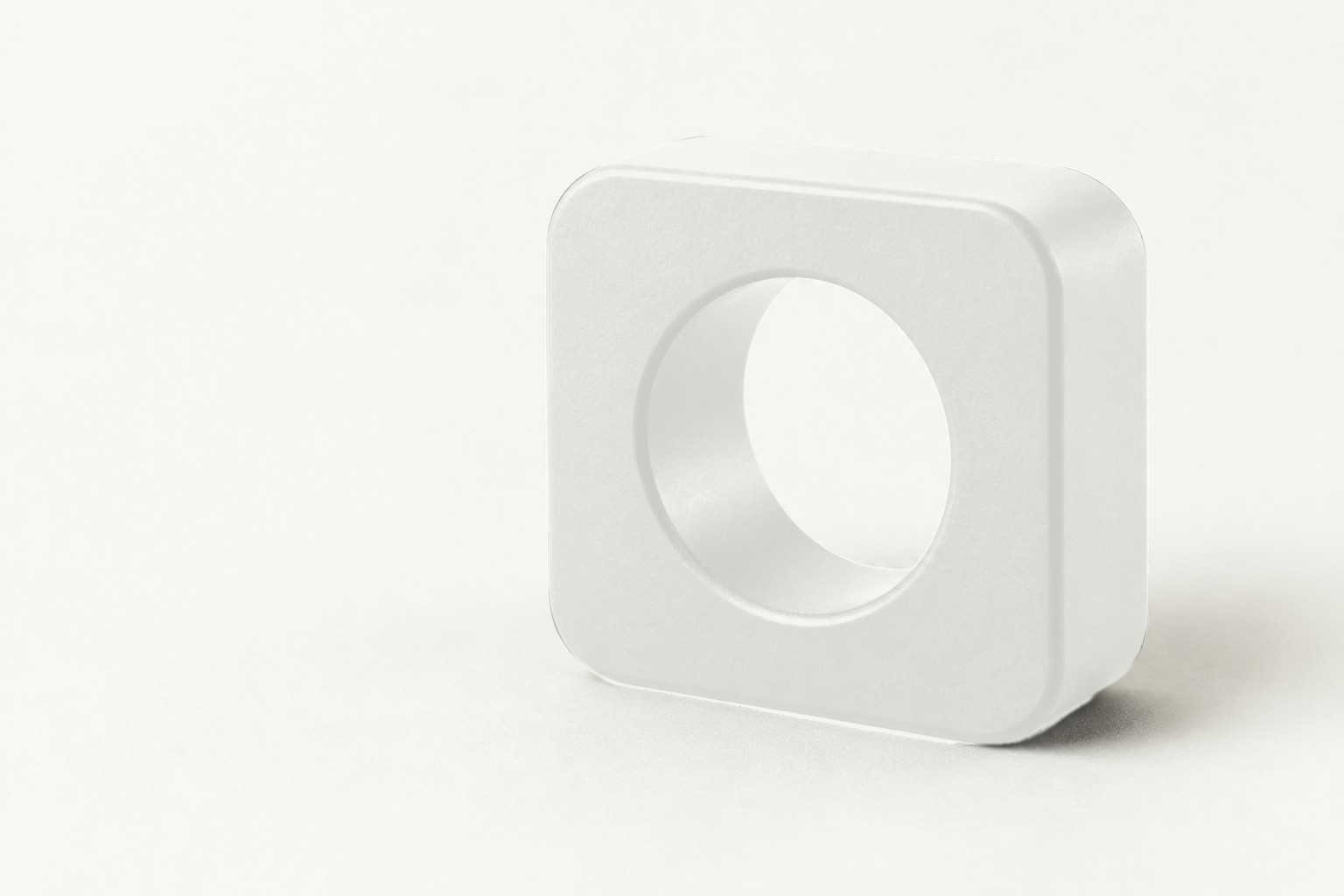
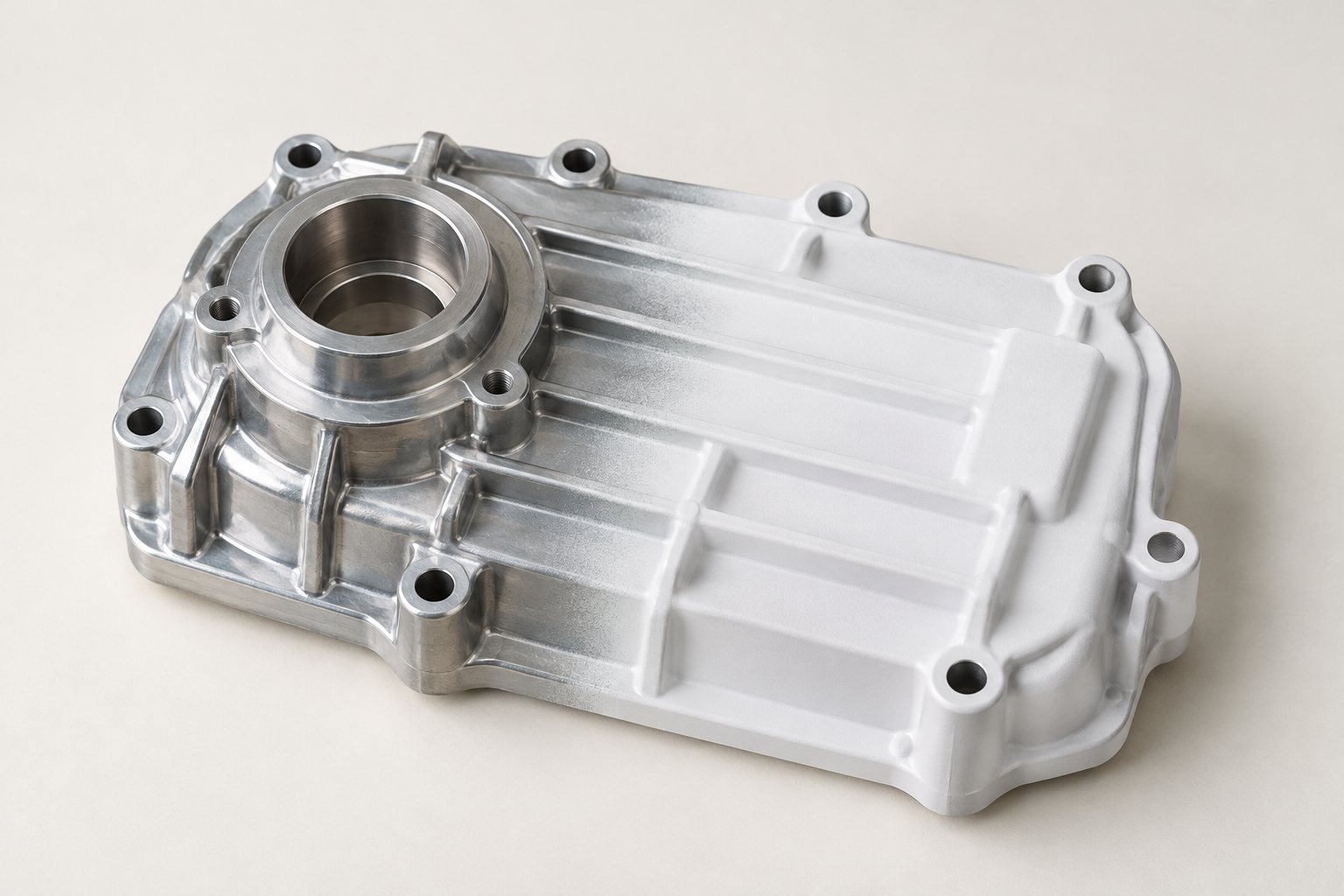
The scanner measures the outer face of the coating. A thick coating can hide fine details or alter dimensions. ATTBLIME spray creates a thin coating on the order of a few micrometers, far thinner than a hair. Thickness depends on spray method and amount, so spray thin and even.

Titanium dioxide is a white powder pigment. While spraying, you must take care not to inhale the powder. Powder left on the surface has to be wiped off. On rough surfaces, rubber or complex shapes, it does not always come off completely even after wiping. ATTBLIME does not use titanium dioxide. How you remove the coating depends on the product. AB ZERO, AB 2 and AB 6 are sublimating and disappear on their own. Wipe off AB P and AB P(W) after the job.
Technical data by product
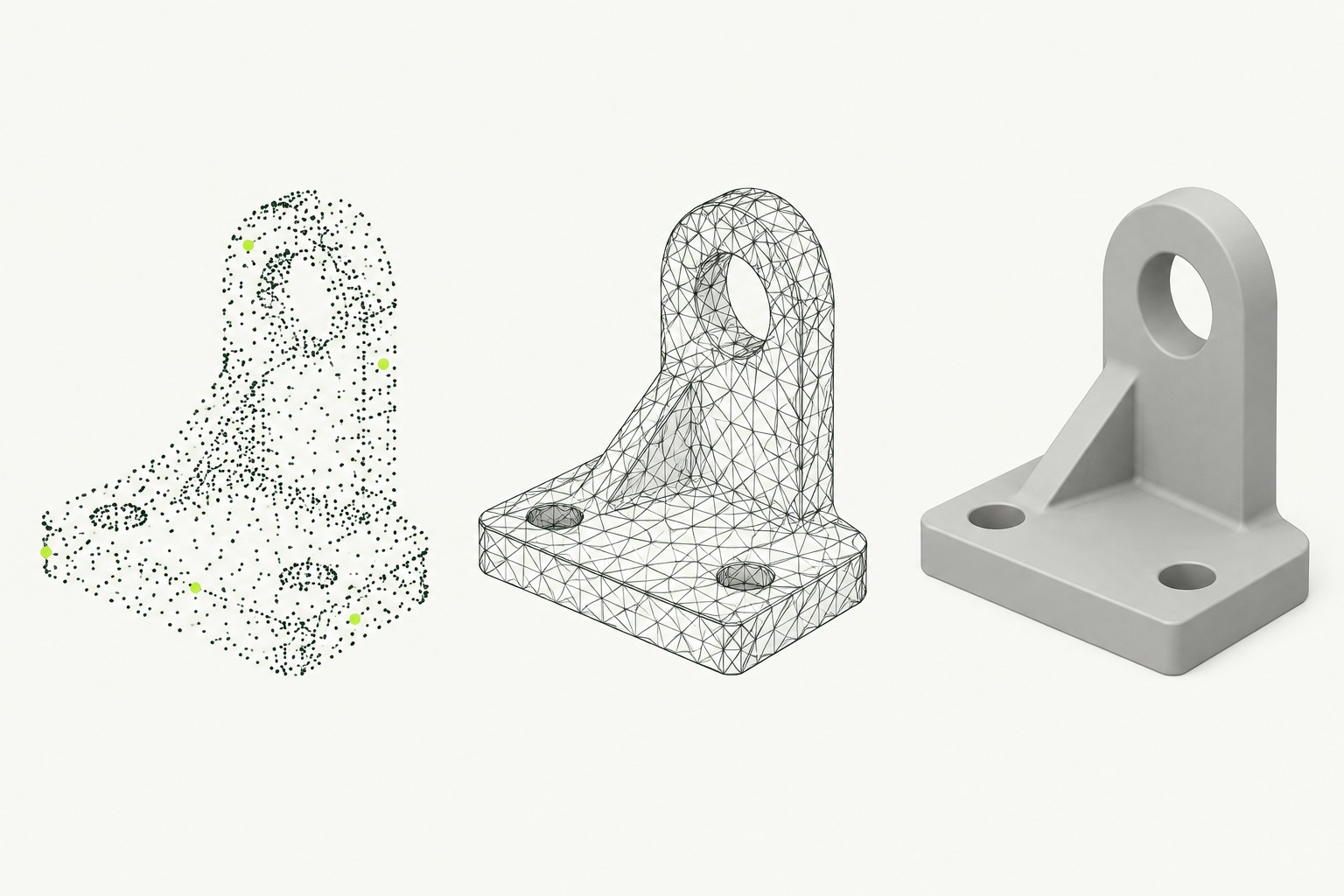
The scanner collects the positions it reads from the surface as points. Connecting these points produces a mesh-like 3D model. The better the surface reads, the cleaner the data, with nothing missing. On a coated object, it is the outer face of the coating that is read.
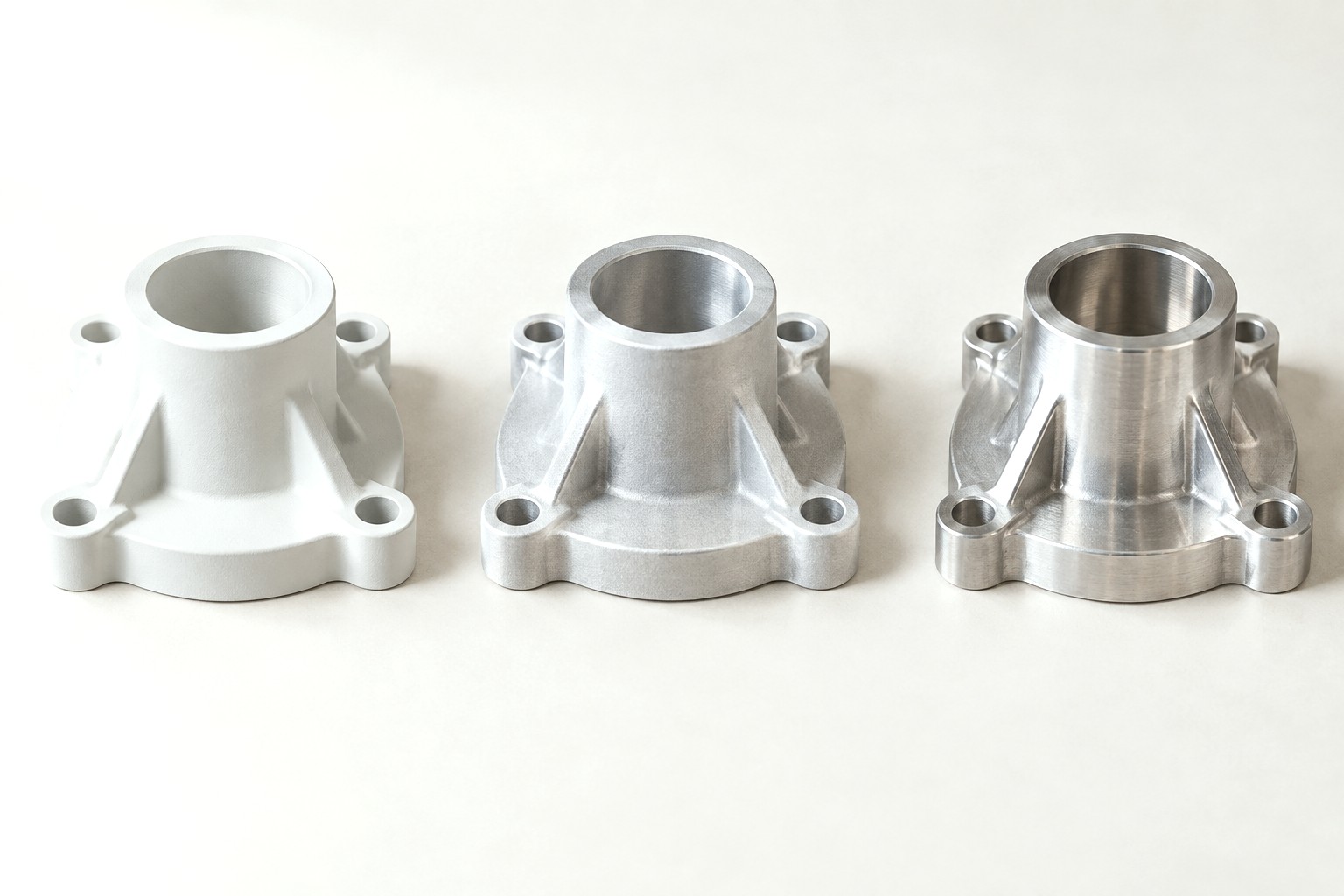
The coatings of AB ZERO, AB 2 and AB 6 disappear on their own over time. That is sublimation: the solid turns straight into gas without melting. Gray AB P and white AB P(W) do not disappear on their own. Wipe them off when the job is done.
Shake the can well, then check the spray direction.
Keep the right distance for the product and move at a steady pace.
Add a thin extra pass only where coverage is light. For tight spots, switch the spray head.